
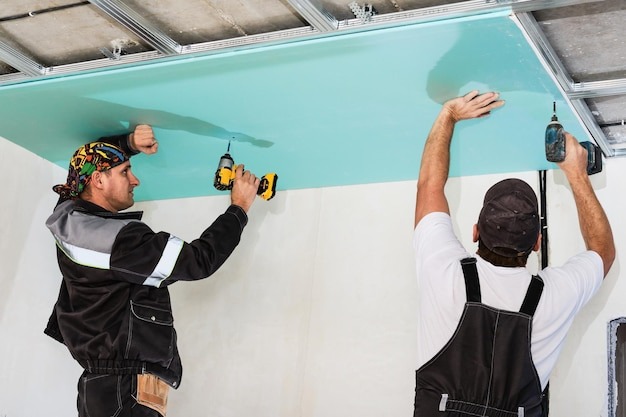
Large sheets of drywall, plywood, glass, and cement board are heavy, awkward, and unforgiving when handled poorly. A panel lifter can make this work safer and faster, but only if it is used correctly. Even the best equipment can cause injuries when workers skip training or ignore basic precautions. These safety tips will help contractors protect their crews, their materials, and their schedules.
1. Read the Manual and Get Proper Training
Every panel lifter is a little different, so start with the manufacturer’s instructions. Review the weight rating, height limits, assembly steps, and warnings before the first use. Make sure everyone who operates the equipment is trained, including new hires and temporary workers.
A short toolbox talk before a job can cover how the lifter works and what to do if something goes wrong. Never assume someone knows how to use it just because they have used a similar tool.
2. Inspect the Equipment Before Every Use
A quick check can prevent a serious accident. Before each shift, look over the panel lifter for bent frames, cracked welds, loose bolts, worn straps, damaged wheels, and leaking or sticking mechanisms.
Test the locking features and make sure moving parts operate smoothly. If you find damage, remove the lifter from service immediately, tag it, and arrange repairs. Do not try to improvise a fix on site.
3. Respect the Weight and Size Limits
Overloading is one of the most common causes of equipment failure. Check the weight and dimensions of each panel, and compare them with the capacity of your panel lifter.
Remember that wet materials, thick glass, and stacked sheets can weigh more than expected. If a panel is too heavy or too large, use a different method or add proper equipment instead of pushing the limit. Spread the load evenly and avoid sudden, uneven stress.
4. Set Up on a Stable, Clear Surface
A stable base is essential. Use the panel lifter on firm, level ground, and lock the wheels or brakes before raising a load. Clear the work area of cords, debris, tools, and other trip hazards. Watch for overhead obstacles such as lights, ductwork, and low beams.
If you are working near stairs, openings, or uneven floors, plan carefully and consider extra barriers or additional help.
5. Keep People Clear and Communicate
Many injuries happen when people stand in the wrong place. Keep bystanders and co-workers outside the path of the load, and never place hands or fingers between the panel and the frame.
Agree on clear signals before lifting, so everyone knows when to raise, hold, and lower. Using a panel lifter does not remove the need for teamwork, particularly with large panels or when working overhead.
Final Thoughts
Safety is a daily habit rather than a one-time checklist. Train your crew, inspect equipment, respect limits, and communicate clearly on every lift. Always follow the manufacturer’s instructions and any local workplace safety regulations. With careful use, a panel lifter can reduce strain, speed up installation, and help your team go home safe at the end of every day.


